
My love of reading and gardening came through observing my parents go about their lives, noting what they valued, what they made time for.
My mother read from the Bible. Her daily readings were supplemented with devotional texts. Her reading was selective, designed to draw her closer to God. It was a personal endeavor she pursued diligently.
My father read from encyclopedias. His interests were diverse. The information he uncovered he shared with those who were interested. He could talk intelligently on many subjects.
My mother loved gardening. When we lived in Oakleigh, she created a cottage garden with hydrangeas, camellias, azaleas, roses, climbing geraniums, and hibiscus. The seasonal bulbs included daffodils, jonquils, freesias, and hyacinths. She favoured flowering plants. A display of cut flowers often adorned the dining room table.
My father had a passion for growing vegetables. There was always something to harvest throughout the year. He grew Grosse Lisse tomatoes and Queensland Blue pumpkins. I watched him dig up the potatoes when the tops of the plants had dried off and enjoyed helping him sift through the soil. You were never sure how bountiful the harvest would be.
My life would be impoverished without reading and gardening. When I participate in these activities, I feel content and sense a bond with my parents who derived pleasure from turning both the page and the soil.
Reading and Gardening provide many benefits.
They…
(1) Allow you to breathe:
There is much in our world that can overwhelm us, causing us to feel worn out, burdened, grieved, or even angry. Every hour of every day, media outlets provide updates on natural disasters, violent conflict, human tragedy, and political unrest. Author, Anne Lamott says,
‘There is so much going on that flattens us, that is huge, scary, or simply appalling.’
We feel immense pain and sorrow and wonder whether there is space in our hearts to accommodate such anguish. We see the desperation on the faces of those directly affected and want to help but sense our inadequacy, our powerlessness to fix anything. As Cynthia R. Wallace says,
‘Powerless responsibility and moral distress wear us down.’
Reading and gardening provide respite from the troubles that assail us. They offer an alternate reality that draws us in, demanding our whole attention.

When we garden, we allow ourselves to detach from what is concerning us or weighing us down. Our focus is on a world that we have created, a world that is accessible and intimate, a world that we have some control over.
The American poet and devoted gardener Ross Gay said in an interview,
‘Part of the delight of my garden is that you just get lost in it before you’ve even started to do anything.’
When we immerse ourselves in something that delights our senses, we relax and breathe easy. Author, Matt Haig says,
‘Reading is important because it gives you room to exist beyond the reality you’re given.’
Reading invites you to let go of all that burdens you. You are not denying its existence. You are accepting your limitations and your need for time out. You are choosing to go someplace else, allowing your imagination to roam freely. Author C. S. Lewis says,
‘Reading literature is a process of imagining and entering an alternative world, which has the ability to illuminate the empirical world in which we really live.’
Not only are we afforded the space to breathe but we may find we are given greater clarity as to how to respond to the issues, whether global or personal, that threaten to overtake us.
(2) Facilitate friendship:
Loneliness is endemic. Some people suggest that social media can reduce feelings of isolation. Instead, it has bred deception and dishonesty where beauty and success are lauded but have proven to be gossamer thin. Rather than being included we often feel shut out, isolated, and judged.
Human beings are social creatures. But being connected to social media doesn’t lessen the possibility of feeling alone. The problem lies in our inability to discern what is genuine and resist the desire to compare.
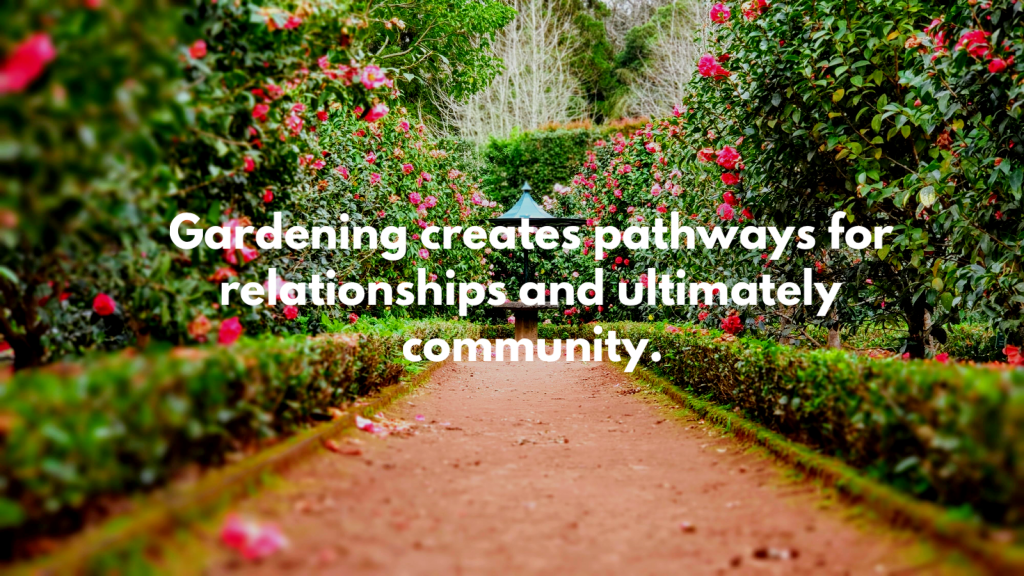
Gardening is about communion, experiencing a connection with people past and present, and with the soil. While gardening can be a solitary pursuit it creates pathways for relationships and ultimately community. The act of caring for plants unites us with other gardeners who share a similar passion.
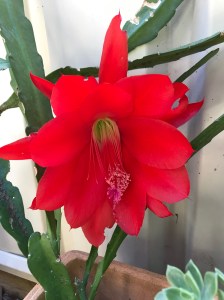
Gardening can also remind us of loved ones who have died. I have a cactus growing in a pot which is a direct descendant of a cactus my mother grew. When it is in flower, as it is now, I think of my mother and recall her joy in seeing colour in her garden.
When we read there is a deep connection to the imagination of another human being. We are stepping into a world of their creation. We trust them to guide us through, to bring us safely to a distant shore. Author Lucy Mangan says,
‘Books connect you to others. It sounds trite but it’s true. You are kept company by characters, by a story and by the consciousness – and held literally in the hand, seemingly entire – that wrote the book.’
(3) Promote discipline:
Discipline is essential for a purposeful life. It is unlikely anyone could accomplish something meaningful without it. Discipline builds confidence, forms positive habits, and allows us to develop our skills over time. It is a cornerstone of personal success.
Like any commitment, a garden requires discipline. Gardens don’t look after themselves. They require ongoing care – like regular weeding, staking, feeding, pruning, and watering.
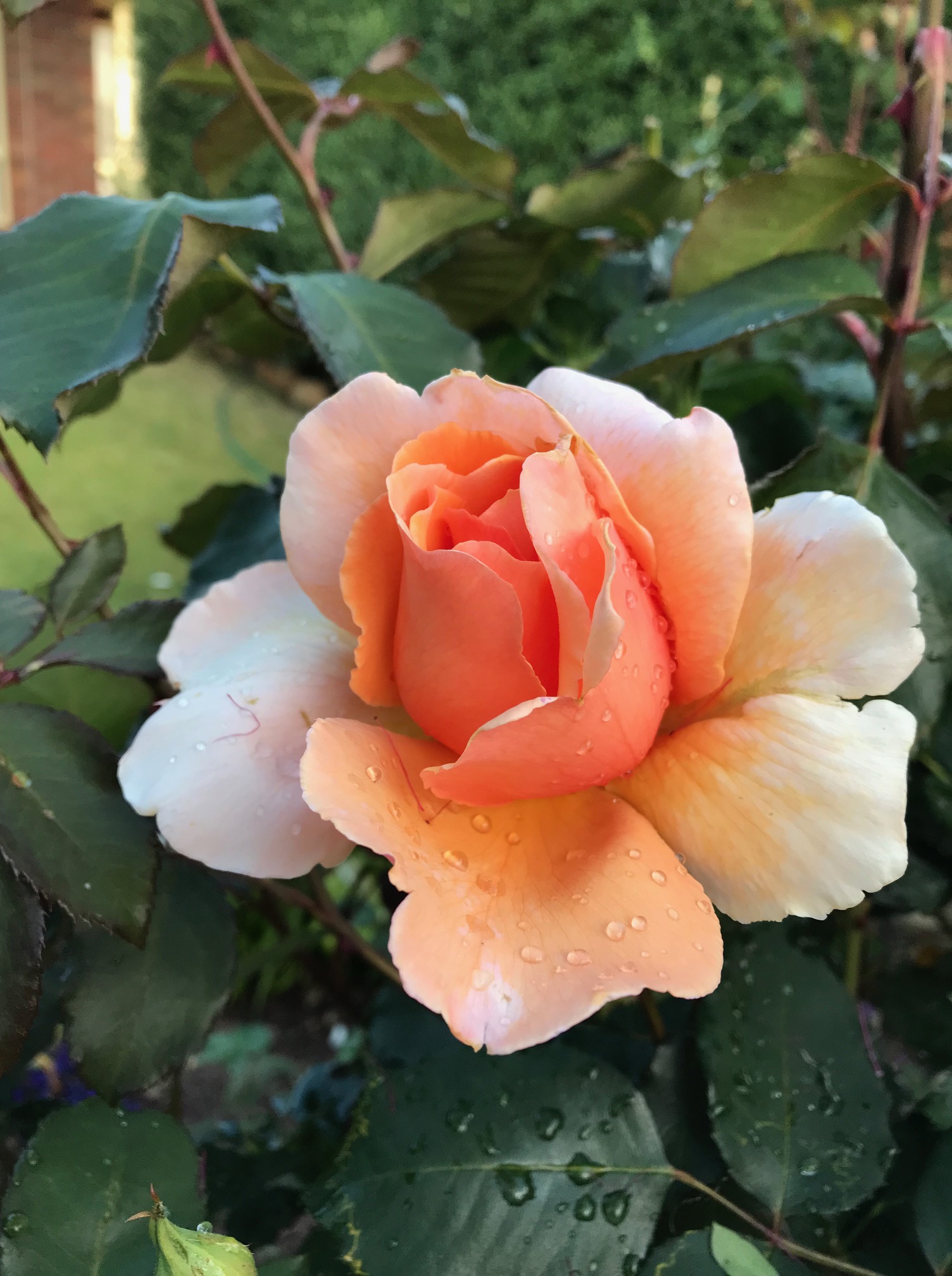
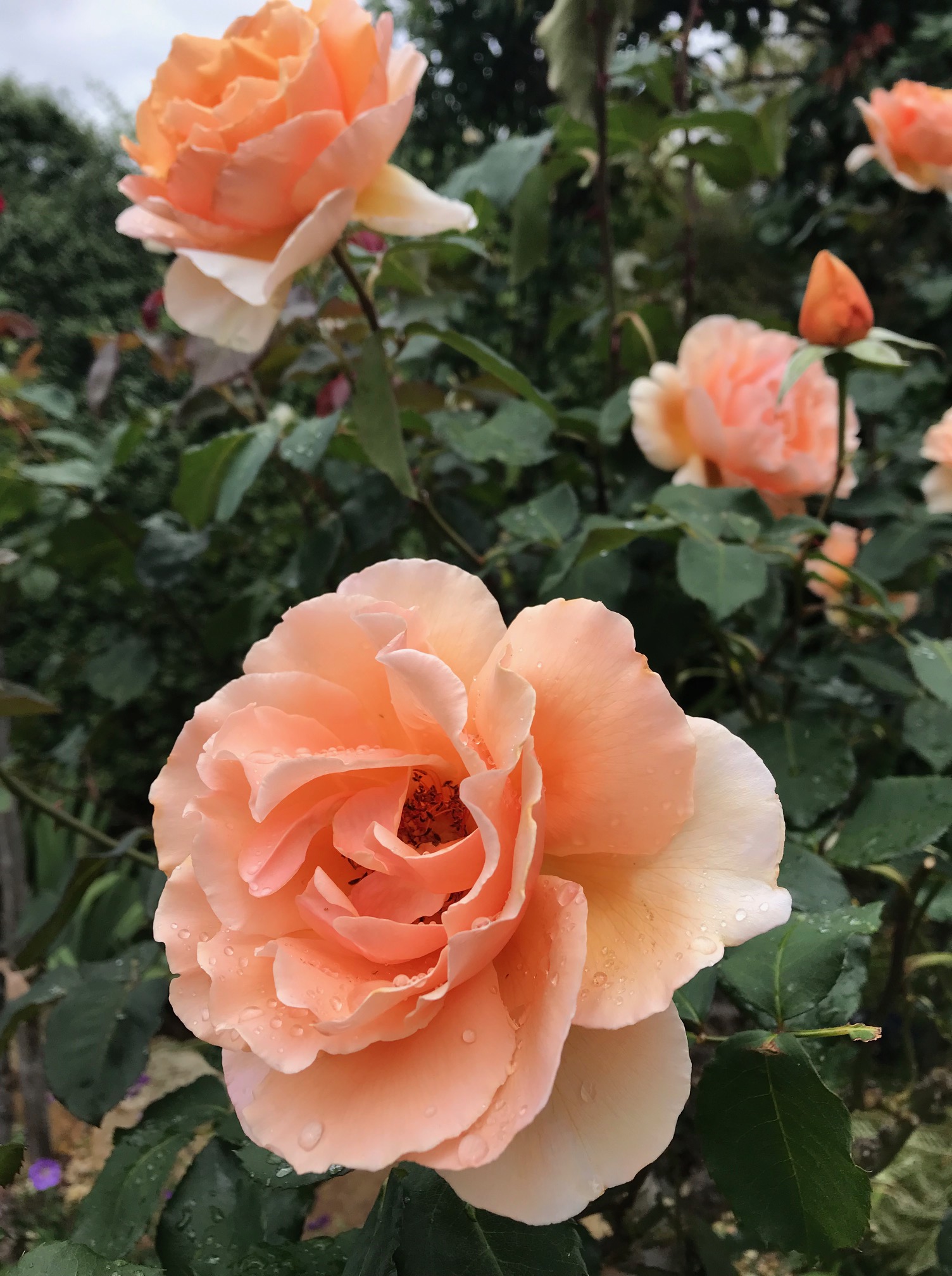
I have a Just Joey Standard Rose in my garden which is currently in bloom. The flowers are exquisite. I planted it about ten years ago. I was thinking what it might look like if I had stuck it in the ground and left it to manage on its own. More than likely, it would have blown over and been choked by weeds, dying from neglect. Roses, like most plants, require our ongoing attention.

The writer George Orwell ‘devoted himself to small and not so small pleasures’ like gardening. Orwell had many demands on his time, but gardening kept him grounded and enlarged his writing. In 1940 Orwell wrote,
‘Outside my work the thing I care most about is gardening.’
Discipline has its rewards, not only for the gardener but for the reader as well.
Our educational systems are not always successful in teaching students to read. They focus on the mechanics of reading while ignoring what is required to have a meaningful and productive reading life. Without a love of reading, you will struggle to commit. Reading won’t happen without a singular purpose, without discipline. As Rob Henderson says,
‘Reading takes time. You have to make it a non-negotiable part of the day.’
Sometimes five or ten minutes a day is sufficient to ignite a reading habit. Pages read is not the goal. It is about discovery, for reading is relaxing, enjoyable, informative, and just a little bit addictive. Being available to read is like having a gym routine. Choose a time that is going to work for you and stick to it.
(4) Speak to the realities of life:
In case you hadn’t noticed, life is complex. You never know what joys and heartache await. It is the uncertainties of life that expose our fear and anxiety. Often, we feel ill-equipped to meet the challenges we encounter.
Gardening deals in realities. Some plants prosper, some plants struggle and die. Gardeners don’t always know the reason for their failures. Is it the soil, or the amount of water the plant is getting? Perhaps the situation is too shady or too hot, or too much competition.
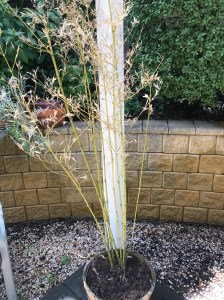
I have been growing bamboo in a pot. Bamboo is a hardy plant so you can appreciate my concern when I noticed signs of stress. The leaves were drying and there were no new shoots. Eventually I took the bamboo out of the pot and discovered a problem with the drainage. The soil was compacted and soggy. I replanted the bamboo in fresh, friable soil but its condition continues to deteriorate. I am resigned to a sad and regrettable end.
Gardens are places in which the inseparability of life and death is apparent in innumerable ways.
Writer and radio personality, Indira Naidoo, has a balcony garden. She says,
‘Pottering away in this tiny nook in the sky over the past few years, I’ve learned some pertinent lessons about life and death and how survival is never guaranteed. I can tenderly plant all these seedlings and nurture them attentively, watering and weeding, and still, some will not make it.’
There are books for all situations. As Anne Lamott says,
‘Reading allows us to temporarily adopt the perspective of another, and that process can permanently shift our view.’
Books find me, and their arrival is often timely. They speak to my situation, offering insight and encouragement. They make me a wiser person. As Samuel Johnson says,
‘You can never be wise until you learn to love reading.’
Some books provide comfort, reassuring us that tomorrow is a new day with fresh opportunities to regenerate, to live and to love, to heal and forgive. Author Melissa Ashley says,
‘Hours spent in a book are not wasted. Reading can be a form of healing.’
(5) Inspire hope:
A world without hope is a world headed for destruction. I fear for people who reject the idea of a Creator God. For life to have meaning and purpose there must be a loving entity that made it so. If you buy into the idea that humanity is evolving into a more intelligent, more compassionate, and a more open being, I can’t see it. I see hate and mistrust and violence and prejudice and confusion and despair and…
Hope galvanises our thoughts, giving us something to believe in, something to strive for.
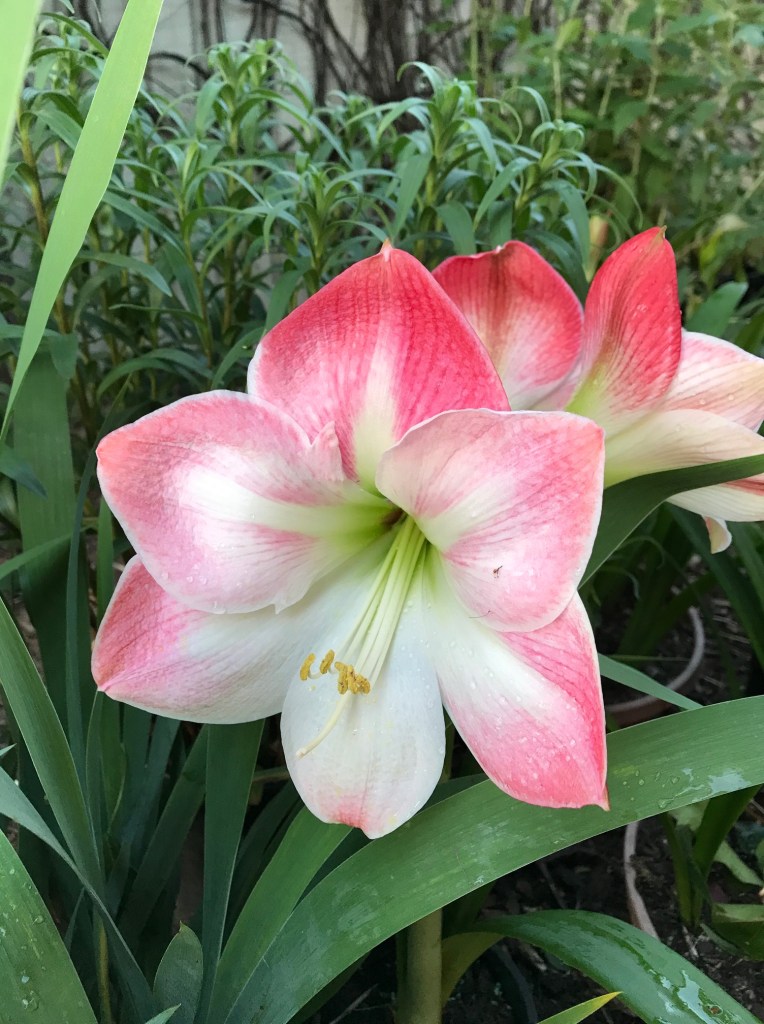
Gardening is an act of hope. When we plant a bulb in the ground, we have an expectation that when the conditions are right, life will burst forth. Everything the bulb needs is contained within, ready and waiting for their moment to shine. Hippeastrums certainly know how to put on a show.
Author Lucy Mangan says,
‘Encouraging reading is like trying to create a wild-flower meadow. Most of the job is about clearing and preserving a space in which rarer and more delicate plants can grow, planting the seeds and hoping they take root.’
People who read find reason to hope. They may not discover how to change the world, but they will be better able to overcome anything life throws at them. Author Ann Voskamp says,

 Hope For Tomorrow
Hi Bruce,
Nick and I wholeheartedly agree!
<
div dir=”ltr”>It’s good to hear th
LikeLike
This is a beautiful essay- with just the perfect quotes as segues to each concept of hope
Thank you
LikeLike