My wife and I spent two weeks in South Australia during September. It was a holiday, a celebration of fifty years of marriage, a ‘golden’ escape. We chose South Australia, as Juliana’s ancestors on her maternal side, were German Lutherans, emigrating to South Australia in the 1850s.
We stayed in – Murray Bridge, Victor Harbor, Adelaide, Clare Valley, Hahndorf, and Mount Gambier. Our hotel in Adelaide, situated on North Terrace, gave us easy access to the State Library, Museums, University of South Australia, Government buildings, and the Botanical Gardens. We could also walk to the City Centre.
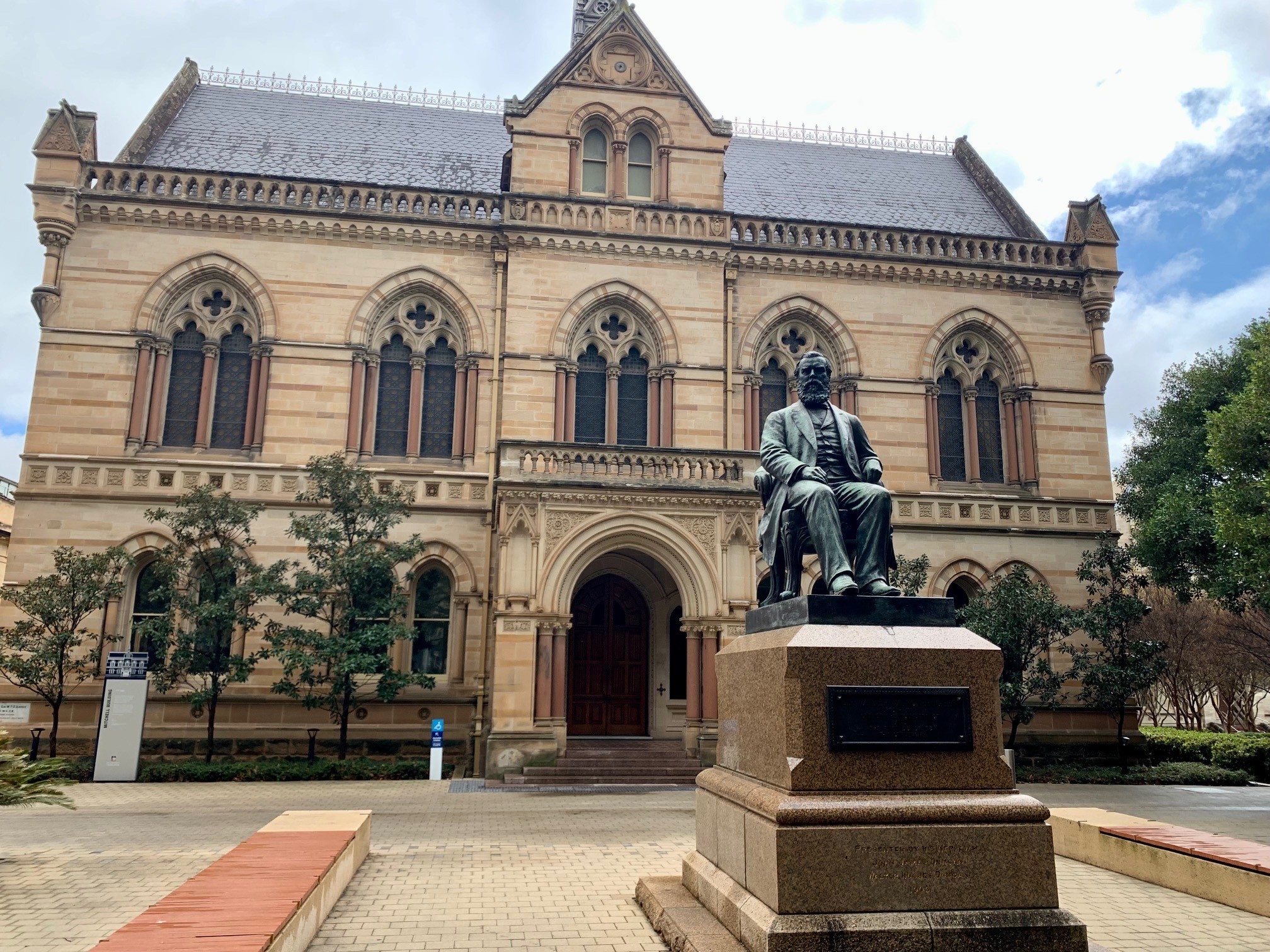
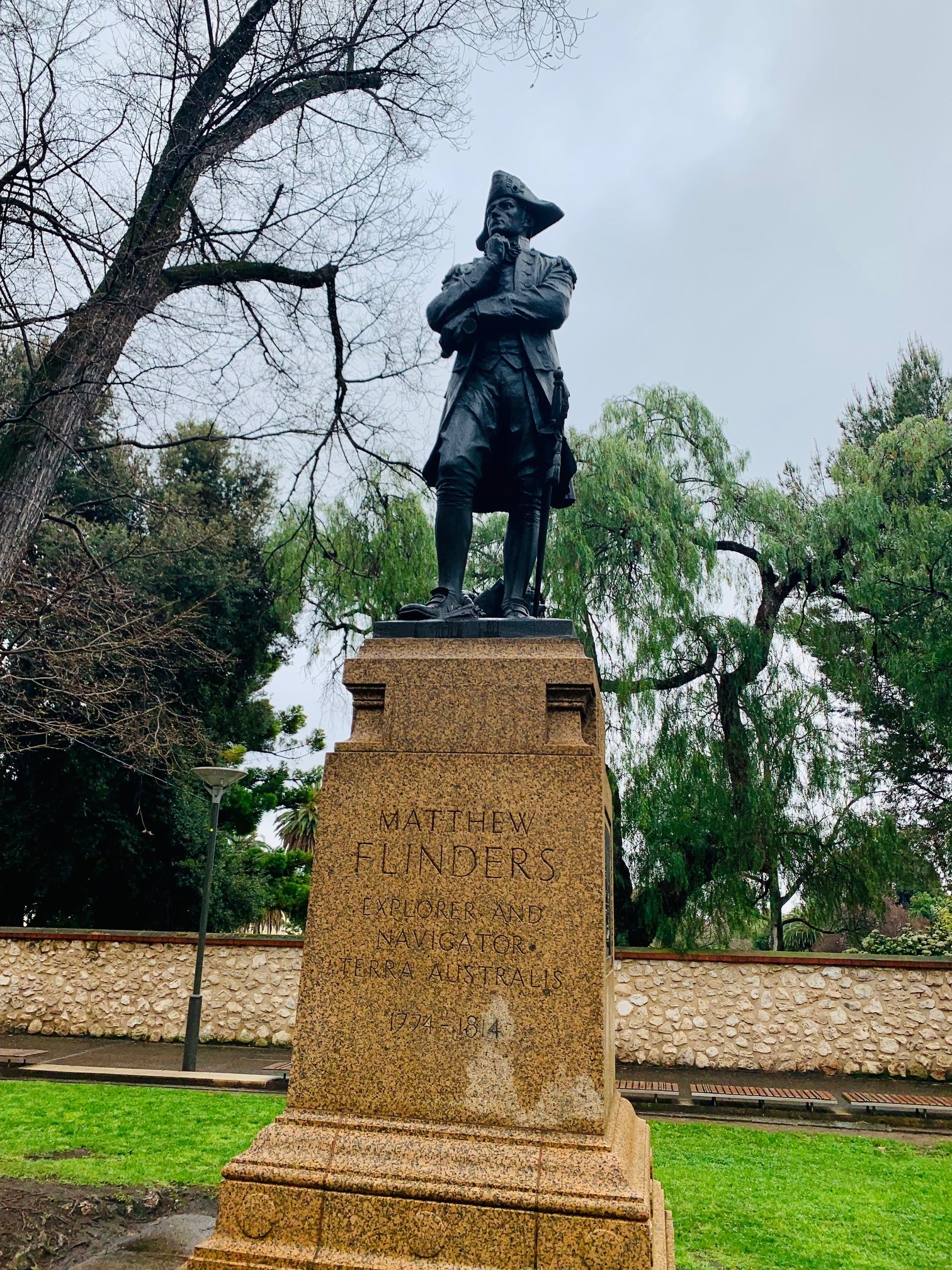
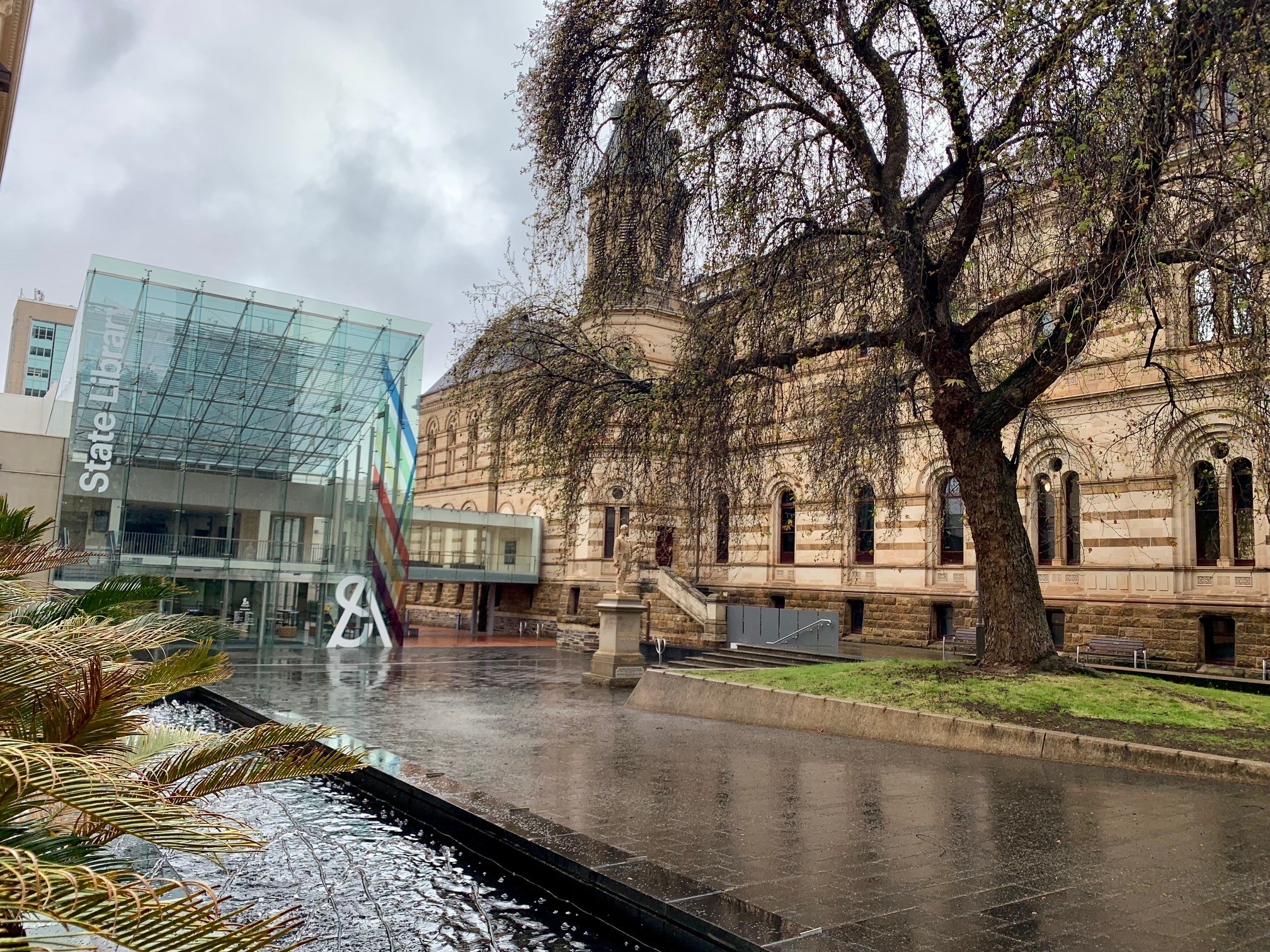
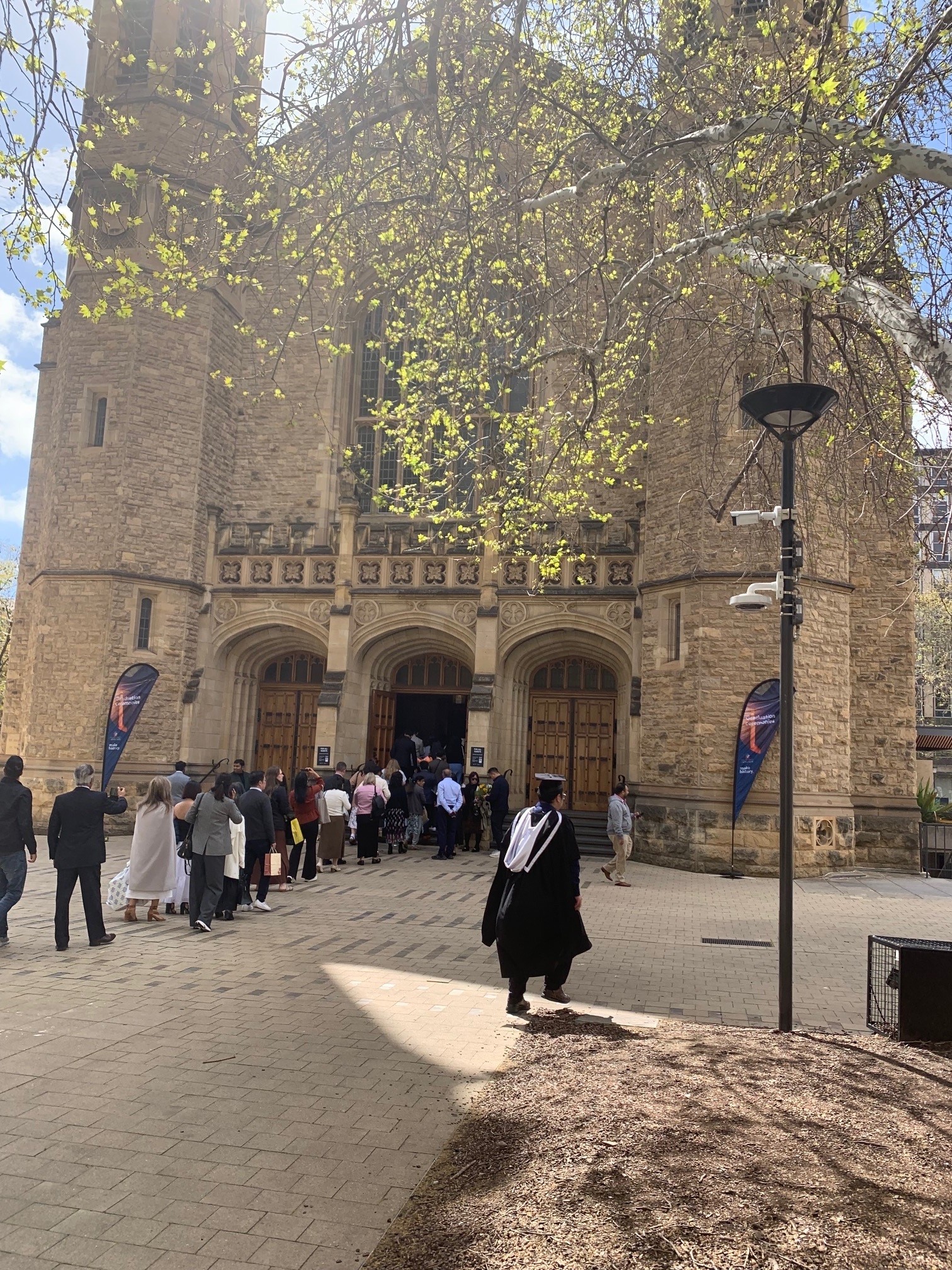
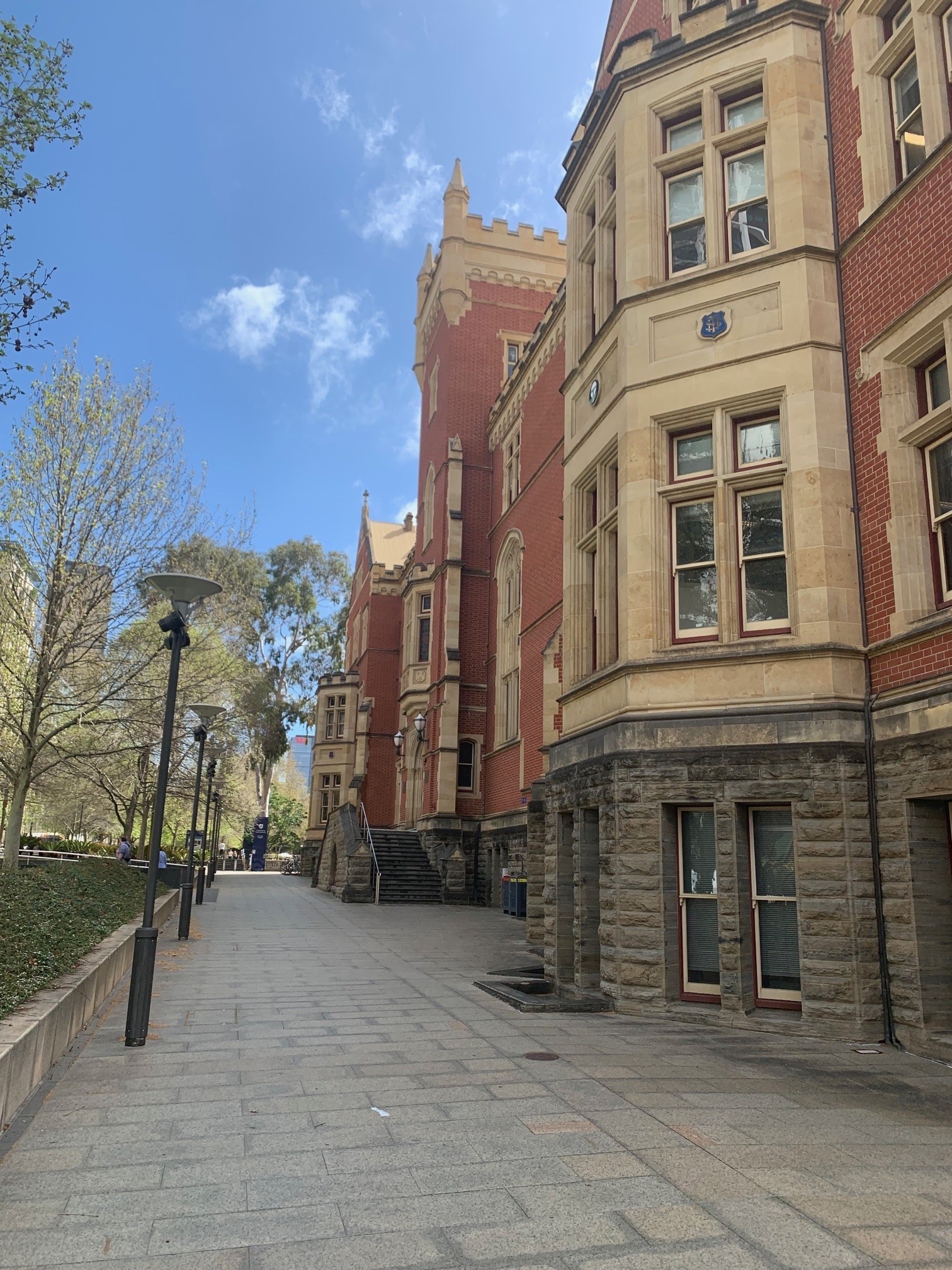
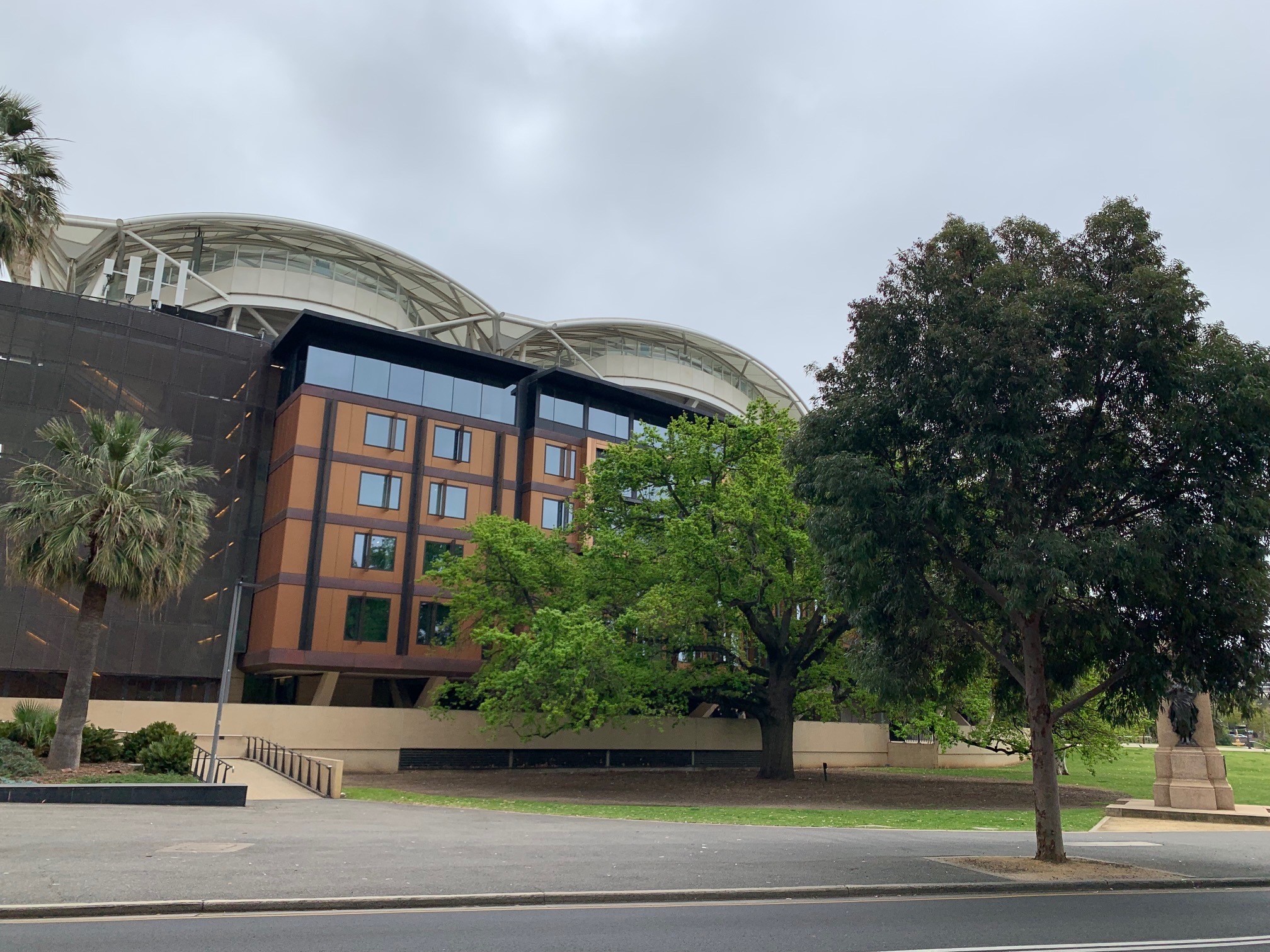
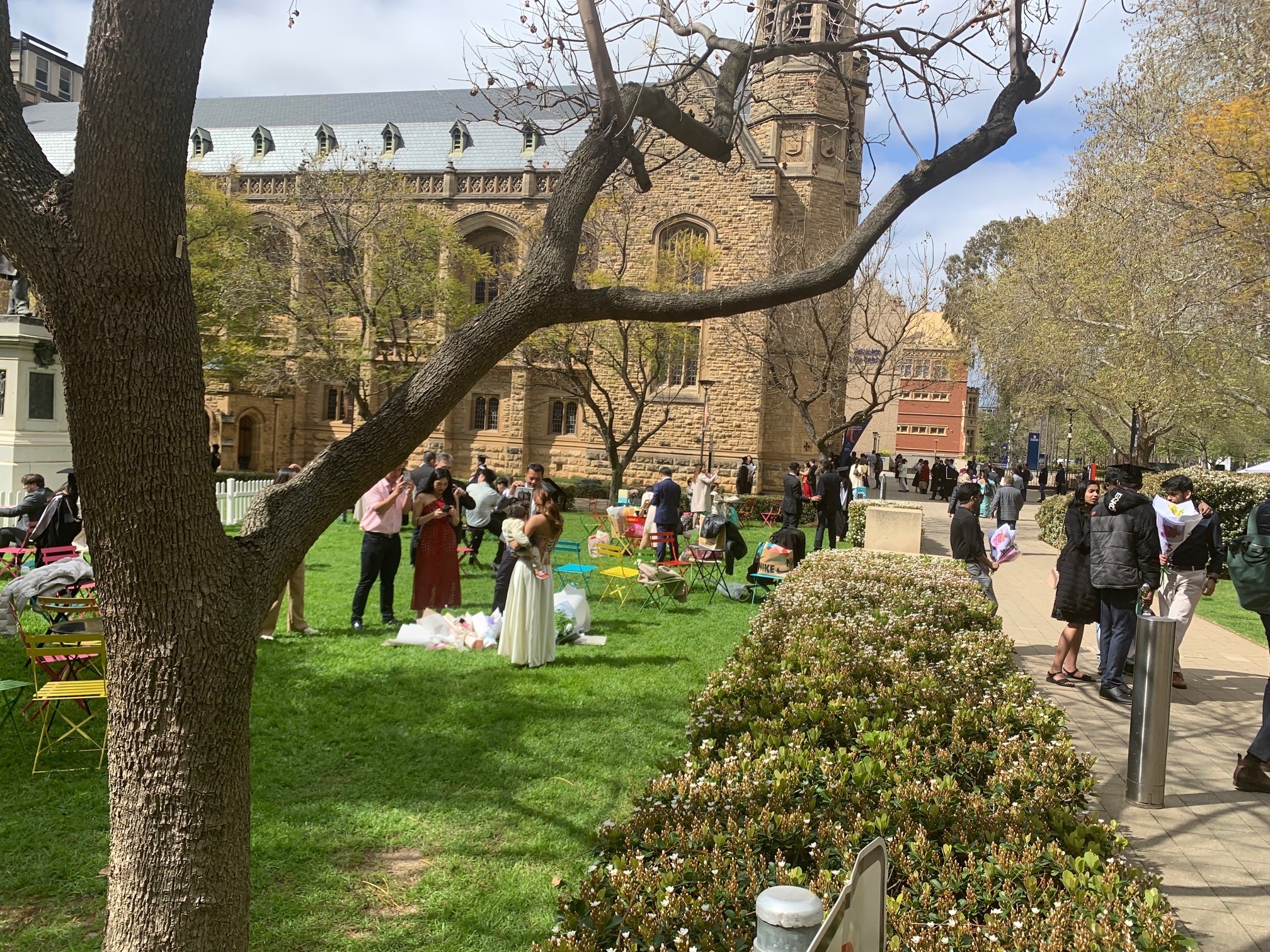
It was during our stay in the capital that I had a series of prophetic dreams. Not all my dreams are prophetic dreams. When I recognise their importance, I ask God to clarify their meaning.
The apostle Paul refers to prophecy as one of the ministry gifts necessary for the growth and maturity of the local church. [1 Corinthians 12:28]
Prophecy is God speaking through his chosen one to bring a word of encouragement, spiritual direction, guidance, warning, and insight into matters affecting the life of God’s people.
Prophecy is a ‘now’ word, rooted in the present. It invites our attention and calls for a timely and considered response. Prophecy brings clarity to what is happening in our lives, the wider community, and the world. Some prophecies have immediate relevance as well as applying to future events.
In the dream I saw a bolt of lightning hitting the house of parliament, a building where elected members of parliament assembled to debate proposed legislation and to vote in laws.

Outside the old parliament buildings in South Australia, we came across a commemorative plaque with the words ‘This plaque marks the site of the first sittings of parliament under responsible government on April 22nd, 1867.’
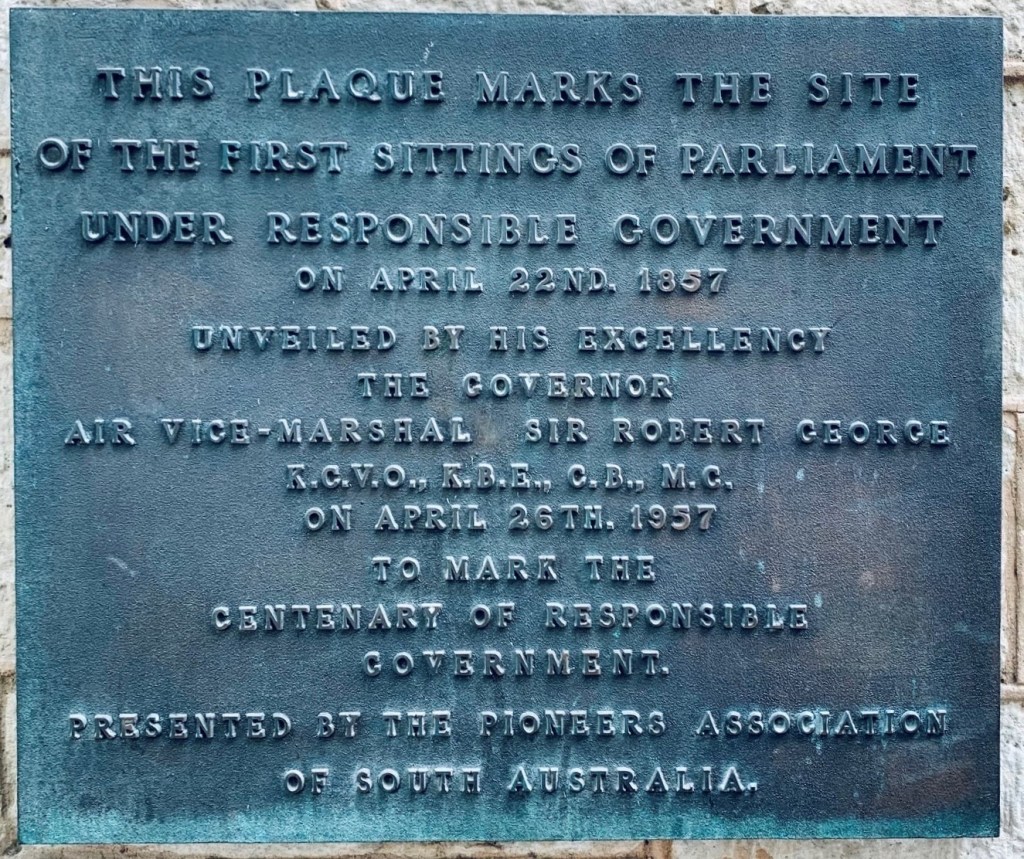
Responsible Government is the term used to describe a political system where the executive government, the Cabinet and Ministry, is drawn from, and accountable to the legislative branch. [AustralianPolitics.com]
In practice, this means that elections to the parliament are how we decide who will govern.
Governments are held accountable to the people through elections, but in between elections the function of the parliament is to hold the government accountable. This is achieved through such things as parliamentary questions, debate on legislation and parliamentary committee investigations. [AustralianPolitics.com]
Governments (local, state, and federal) are not only accountable to the electorate but to God. The Bible teaches that the authority by which governments govern is God given. It is important for governments to acknowledge God and to recognise their need of his wisdom, understanding, and insight.
Most levels of government recite the Lord’s Prayer prior to a sitting, although there is growing opposition to this practice. Governments who ignore God, or worse, reject God, govern in isolation, promoting their own agendas, seeking validation from sources sympathetic to their cause.
Responsible government is accountable government, accountable to God and the electorate.
When governments begin meddling in the affairs of the church, extending their control over areas that are not their area of concern, they fail in their duty to act responsibly. Increasingly, we see governments setting limits on prayer.
Prayer is central to a believer’s relationship with God. It is how we communicate with God and how God chooses to reveal himself to us.
Prayer is often a response to what God has shown us. Our prayers express his beauty and greatness, his love and faithfulness, his concern for a fractious world and a fallen humanity.
Prayer is how God initiates change in us and in our societies. Our prayers are intentional, reflecting how God wants to grow his kingdom and his influence in our lives.
Our prayers reveal the scope of a God’s love. A love that holds people when they fall, that heals people when they are broken, that hides people when they are fearful or despondent.
God’s love is not exploitative, not coercive, not disrespectful. God’s love is patient and kind and durable.
Believers are to pray without ceasing, to be mindful of God wherever they are or whatever they are doing. As Brother Lawrence demonstrated in his life, we need to practice the presence of God, to live our lives in communion with Him.
Believers are to pray – humbly, confidently, persistently, gratefully. Their prayers are pleasing to God, ‘a sweet-smelling fragrance.’
When governments begin telling the church where it can pray (in reference to abortion clinics) and what it can pray (in reference to what is called ‘conversion therapy’) they are crossing a line.
One might ask, ‘What emboldens governments to think they can legislate on subjects they know so little about?’ ‘Why are governments so intent on shutting God out, on limiting His influence?’ This is at odds with the words of ‘the Our Father’ which governments voice, saying, ‘Your kingdom come; Your will be done, on earth, as it is in heaven.’
On the one hand, governments are saying they want God’s will, then they introduce laws that silence God’s people, pushing them away, telling them not to interfere.
Abortion clinics and exclusion zones:
Human rights academics and researchers [Penovic & Sifris, 2020] argue that to protect women’s privacy, governments should enact laws that prohibit all forms of anti-abortion conduct outside of clinics, including silent prayer. They insist that legislation is needed to establish ‘health access zones’ (commonly known as ‘safe access zones’) around abortion clinics, prohibiting anti-abortion conduct from taking place within a 150m radius of premises at which abortions are lawfully performed. They believe silent prayer outside abortion clinics has a harmful impact on patients seeking healthcare services. They say,
‘The presence of individuals engaged in silent prayer outside clinics has the effect of shaming and stigmatising women and undermining their privacy and dignity.’
People who pray silently pose no obvious threat to anyone. The intent of their prayer is to acknowledge God and to ask that His will be done.
People who pray silently outside abortion clinics remind us that God is present, that no ‘exclusion zone’ will keep God out.
God says to us, ‘You are loved.’
Everyone needs to know that they are loved, no matter what their present circumstances might be. There is nothing in this world that can separate us from the love of God.
People who pray silently outside abortion clinics remind us of the words of Jesus on the cross. ‘Father, forgive them, for they know not what they do.’
Jesus says to us, ‘You are forgiven.’
Our actions matter. Our choices matter. What we believe matters. We all fail God. We all think and act in ways that sadden God and disappoint Him. When we acknowledge our failures, God’s forgiveness is freely available.
People who pray silently outside abortion clinics remind us that God’s Spirit waits, offering healing and wholeness and a new beginning.
The Spirit says to us, ‘You are a child of God.’
It is never God’s plan that we go it alone, that we live life without Him. We were created for fellowship, for companionship, for intimacy. There is a way forward if we will trust Him with our lives.
Conversion Therapy:
‘LGBTQA+ Change and Suppression Practices are teachings, counselling, spiritual care activities, or other psychological or medical interventions based on the ideology that there is something wrong or broken about people being, or thinking they might be, lesbian, gay, bisexual, trans and gender diverse, or queer (LGBTQA+) [vic.gov.au What are LGBTQA+ Change and Suppression Practices?]
The authors of this document state: There is nothing wrong with being LGBTQA+. You are not ‘broken’, and you do not need ‘healing’.
The Victorian government passed the Change or Suppression (Conversion) Practices Prohibition Act 2021 in early 2021 with implementation delayed for a year.
For the first time in an Australian law, prayer is specifically outlawed. Under the Victorian Act, Victorians who experience unwanted same sex attraction or identity confusion are banned from seeking spiritual or therapeutic help.
The new law has wide ranging implications for pastors, parents, teachers, counsellors or anybody who engages on these issues either in a professional or private capacity. [hrla.org.au John Steenhof, 2022 – Anti-religious Victorian Conversion Therapy Law is now in force]
Melbourne’s Catholic Archbishop Peter Comensoli, is quoted as saying,
‘Who I pray to, how I pray, what I pray for, and most particularly, who I pray with is not of concern to any government.’
The early church leaders taught the importance of intercessory prayer. Believers are to support one another, to stand by one another, to pray for one another.
There is no issue so complex that prayer cannot help.
If a friend or family member is struggling with identity issues or is confused about their sexual orientation it is reasonable to expect that you would be there for them. Praying to God in such a situation is recognising our need of His wisdom and insight. God wants to engage with us in our struggles. He understands the challenges we face. God is the source of all knowledge, all wisdom. Why would we want to listen to anyone else?
Prayer is like breathing, energising us, sensitising us, mobilising us. It allows us to draw on God’s love, wisdom, and strength.
When governments discredit prayer or tamper with it, they are inviting a response from God. God will not be silenced. He takes seriously any attempt by government to tell believers how to conduct their lives or regulate their devotion to Him. This level of interference will not go unchecked.
After the Jewish people were taken captive by King Nebuchadnezzar in 605 BC, they were deported to the city of Babylon. Daniel served in the royal palace of the king. The king’s advisors convinced him to enact a law declaring himself ‘a god,’ requiring everyone to direct their prayers and worship solely to him. Failure to comply meant certain death.
Daniel was unfazed by such an edict and continued to pray to his God, the one, true God. We read in Daniel 6:7-10
7 The royal ministers, prefects, satraps, advisors and governors have all agreed that the king should issue an edict and enforce the decree that anyone who prays to any god or human being during the next thirty days, except to you, Your Majesty, shall be thrown into the lions’ den. 8 Now, Your Majesty, issue the decree and put it in writing so that it cannot be altered – in accordance with the law of the Medes and Persians, which cannot be repealed.’ 9 So King Darius put the decree in writing.
10 Now when Daniel learned that the decree had been published, he went home to his upstairs room where the windows opened towards Jerusalem. Three times a day he got down on his knees and prayed, giving thanks to his God, just as he had done before.
Daniel believed in God. He surrendered his life to a higher authority. He trusted God to be there for him no matter what the outcome.
Like Daniel, God wants us to be uncompromising in our devotion to Him, to stand firm in the face of uncertainty and ridicule, to honour God in all we say and do.
God’s judgment is like a bolt of lightning. It is sudden and decisive. Be forewarned, the fire of God will strike at the heart of government. It will be a day of reckoning but will it bring repentance?
Judgment often means that what was once ours is given to another. We are stripped of our influence and denied the privileges that come with office. It is a fearful thing to fall into the hands of the living God.
Eugene Peterson was a prominent Christian leader and author. He reminds us, that when we pray, we respect God’s sovereignty, His Lordship. Peterson says,

 Hope For Tomorrow