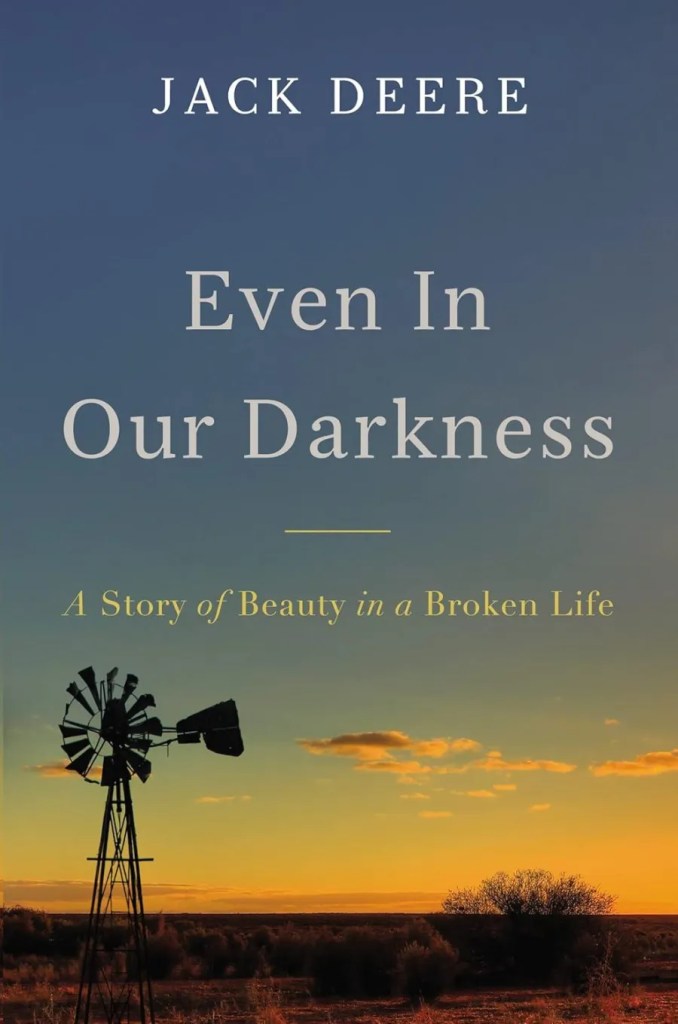
‘We all have our times of darkness when our circumstances are difficult, with no idea of where God’s presence is. It is one of the most painful human experiences possible. Jack Deere speaks on a vulnerable, raw, honest level about his own narrative and the darkness he has encountered, both around him and within his own soul. He ultimately points the reader to the God who is always there and who always sustains.’
Dr. John Townsend, New York Times bestselling author
A Father’s Suicide:
Jack Deere was twelve years old when his father shot himself with a childhood rifle in the living room. He left a thirty-four-year-old widow with a tenth-grade education to care for his four children.
Jack Deere’s father enlisted in the Navy just before the start of the Second World War. He served on a battleship as a Chief Petty Officer. He received a shrapnel wound in his back when a bomb exploded on the deck of the battleship.
Jack admired his father for his intelligence. He could answer any question Jack put to him. His knowledge extended to the Bible. He had a grasp of what it meant to be a follower of Jesus.
He was also physically strong and taught his son self-defensive skills.
After the war, Jack’s dad went to work at the General Motors assembly plant in Arlington. Newly married, he and his young wife, Jean, lived in a two-room shack behind her parent’s house.
In 1955, Jack’s father was promoted to maintenance supervisor at the General Motors assembly plant. The extra money allowed them to purchase a three-bedroomed bungalow to accommodate their growing family. There were three boys, Jack and his two younger brothers, Gary and Tommy. A year later a sister, Deborah, was born.
Jack’s father was a tireless worker and took on air conditioning and plumbing jobs over the weekend. Although the family were well provided for in material things, Jack’s father withdrew from family life. He became an ‘absentee’ husband and father.
The burden of caring for the family fell to his wife, Jean. Jack’s mother felt abandoned and betrayed, enraged and unloved. She felt weighed down by the unrelenting pressure of responding to the needs of her children. She developed migraines, became irritable and impatient, and took out her anger and frustration on the children. When her husband failed to respond to her requests, she verbally criticised him and physically attacked him.
Jack’s father showed restraint in not retaliating, but Jack couldn’t understand why he didn’t try to resolve the situation. He no longer had the emotional energy, or so it seemed, to deal with anything beyond the challenges he faced at work.
Jack’s father chose to end his life. His motivation is less obvious. Suicide is often ‘clouded in mystery.’ The factors that lead to suicide are difficult to figure out. In Jack’s fathers’ case, we don’t know the lasting impact of his war service. We don’t know whether he experienced disturbing thoughts or nightmares.

Many war veterans suffer from post-traumatic stress disorder. Studies suggest that military personnel who experience increased combat exposure, fear being seriously injured or killed, discharge a weapon, see someone badly injured or killed, witness atrocities, or accidentally injure or kill another person, are at significant risk.
People with PTSD have difficulty controlling their negative thoughts and emotions. They can often feel detached from family and friends. They have a hard time feeling positive emotions and they don’t respond well when put under pressure.
In some instances, the motivation for suicide is revenge, or payback. Jack’s father wrote a note. He vented his anger, blaming his wife for the breakdown of their marriage. Studies suggest that in these instances the purpose of suicide is ‘to convey a message of contempt, suffering, and guilt to those who have caused emotional distress, in hopes of inflicting permanent remorse on the transgressor.’
The death of his father affected Jack deeply. He had no-one to turn to, no-one to answer his questions. Although he may not have been able to express it as such, he could not comprehend the irreversible nature of his father’s last act.
How does a child process the death of a father to suicide? There was guilt. ‘If I had been a better son, would it have kept him alive?’ There was the voice in his head. ‘You will kill yourself before you are forty just like your dad.’ There was the desire to survive. From Jack’s perspective, that would require the shutting down of his emotions. Jack later wrote,
‘[My] childhood produced this desire to keep tight control in my life. I blocked out some of the stuff and thought, Feelings are bad. Stay in your mind. Don’t go to your feelings. That was the hardening effect that my childhood had on me.’
Much has been written about ‘unresolved childhood trauma.’ Unresolved trauma refers to traumas individuals have suppressed, avoided, or not adequately processed. These experiences continue to affect interpersonal relationships, thoughts, feelings, or behaviours into adulthood.
Author Alexandra Hoover explains it well. She says,
‘Truth is, the pain we leave unhealed becomes wounds that don’t just stay hidden, they shape us.’
After his father’s death, Jack’s life spiralled out of control. He was part of a group who kept guns in the car. Jack tried to distinguish himself by being the wildest member. He stole all his clothes from department stores as there was no money available. His younger brother became a drug dealer.
Jack’s best friend became a Christian and was kicked out of the group. They had minimal contact for eighteen months but then found each other. They talked about God and forgiveness and the new life that God offers. Jack was deeply touched by the thought that ‘God would never leave him.’ He writes,
‘When you’re seventeen-years-old and everybody you’ve ever loved has left you, to hear that God won’t leave you is just too good to be true.’
Jack’s life changed dramatically, choosing a different trajectory. He discovered that he had the ability to think abstractly. He went to college on a grant, majoring in philosophy and then Dallas Theological Seminary to study the Biblical Texts.
Jack met Leesa, who was from Phoenix and had the voice of an angel, at a Young Life club and were married a year later. It was a case of ‘love at first sight.’
At the age of 27 Jack became a professor of Old Testament exegesis and Semitic languages at Dallas Seminary. Three years later he started a church in Fort Worth, Texas.
A Son’s Suicide:
Jack and Leesa had three children, Steven, Scott, and Elise. Jack says that Scott was a handful from the day he was born. He was an active boy, the life of every party he went to.
Scott never did well in the classroom. He attended a small elementary school near their home. The principal suspended him several times – once for egging the building during Christmas break.
Scott was introduced to drugs in his early teenage years. They became a coping strategy, a way of removing himself from uncomfortable situations.
Friends of the family reached out to Scott and included him in their lives, but he was hard work. He could make all the right noises, say all the right words, but his reality was somewhere else.
When Scott was fourteen, Jack discovered that his son and another boy had been sexually molested by a youth worker. Jack talked to him, stressing that it wasn’t his fault, that he had been taken advantage of, but he couldn’t tell whether Scott believed him.
Sexual abuse is a betrayal of trust. The betrayal can shatter the survivor’s belief in the safety and reliability of relationships. They may struggle with feelings of shame, guilt, or self-blame, which can erode their self-esteem and make it challenging to trust others’ intentions towards them.
Just before he turned sixteen, Scott had a psychological assessment. The test results revealed that Scott had ‘poor ego strength, poor academics, poor attention, poor impulse control, excessive suffering (suffering magnified by psychological factors such as worry, grief, resentment, anger or sadness), excessive aggressiveness, and poor social conformity.’ He was prescribed Ritalin which helped initially, but it wasn’t long before he abused the medication.
Scott did a stint in rehab for seven months and got clean. Jack hoped that it would last. But if the past was anything to go by, any progress made was quickly cancelled out by a return to past habits.
Jack writes about the final moments:
‘On December 27, 2000, after Christmas, Scott mixed five things, none of which are lethal, but when you put them all together, they become a lethal cocktail. They carried him into this realm of psychotic invulnerability, and about five o’clock in the morning, he shot himself in our home in Montana with my .44 Magnum, the gun that we left downstairs in the kitchen to scare away bears.’
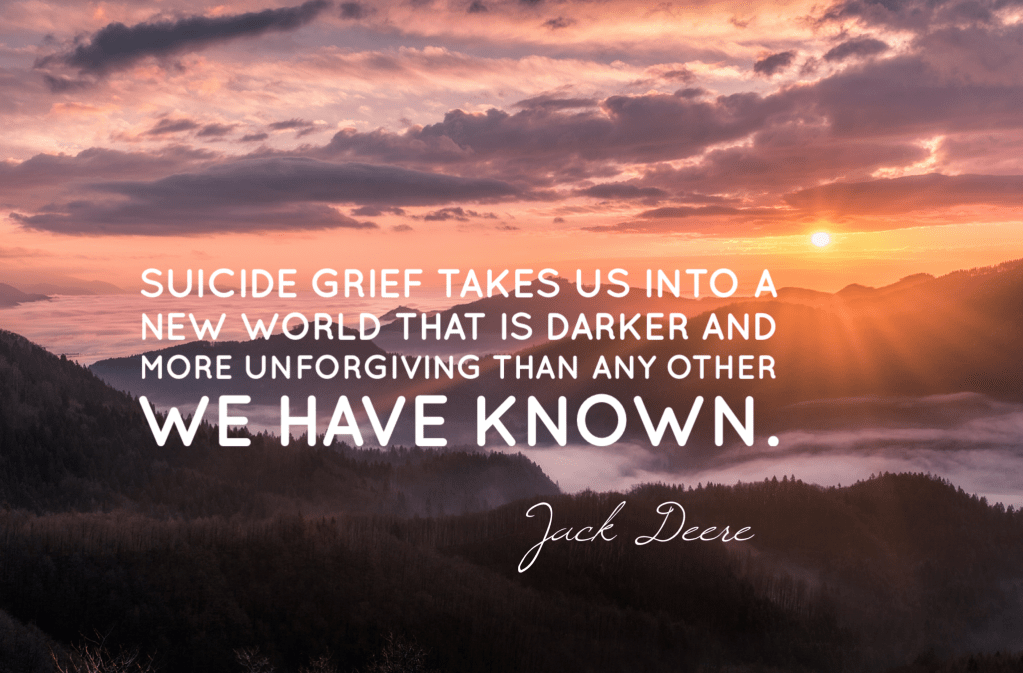
As Jack was kneeling beside the body of his twenty-two-year-old son, he realised he was ‘at the border of a new world that was darker and more unforgiving than any other he had known.’
When Jack looked at the gun, he heard a voice say, ‘Use it. It’s the only way.’
The interpersonal theory of suicide suggests that suicidal desire emerges when individuals experience intractable feelings of perceived burdensomeness and thwarted belongingness and the individual has acquired the capability of ending their life.
Scott’s life suggests that he felt himself a burden, an unwarranted tax on the generosity of those near and dear to him. Despite his best efforts he could find no genuine purpose in his life. Risk taking was a part of his identity and he was proficient in handling a gun.
A suicide has a way of stripping everything away. Jack was lost. The international teacher and preacher had nothing to say, no answers to give, no wisdom to inspire hope. God took everything away that made him feel important. His son’s death robbed him of everything that made him who he was. He says,
‘I went into a cave. I lost my story for living. I had nowhere to go and nothing to do. I started questioning everything. Why go to church? I go to church because I have something to say, but I don’t have anything to say anymore. I’m not sure I know God.’
Leesa chose to go on opioids and alcohol, to go that route with her pain. It cost her dearly and there was nothing Jack could do to get her sober.

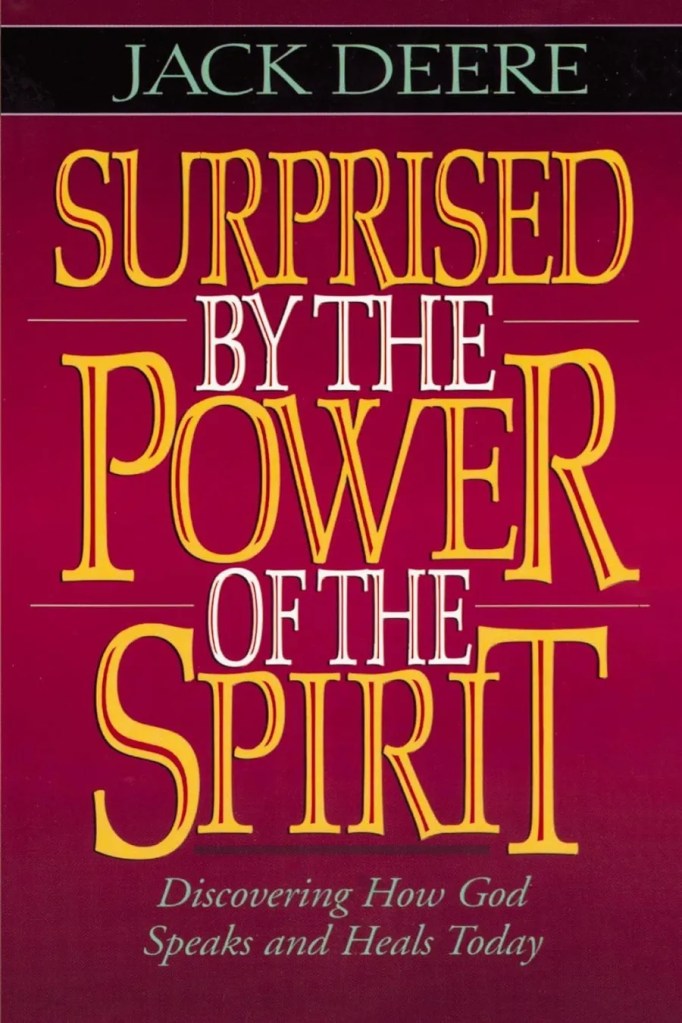
When all is stripped away there is God. He wants us to find our consolation in him and him alone. He wants us to delight in him and to experience the depths of his love. Jack writes,
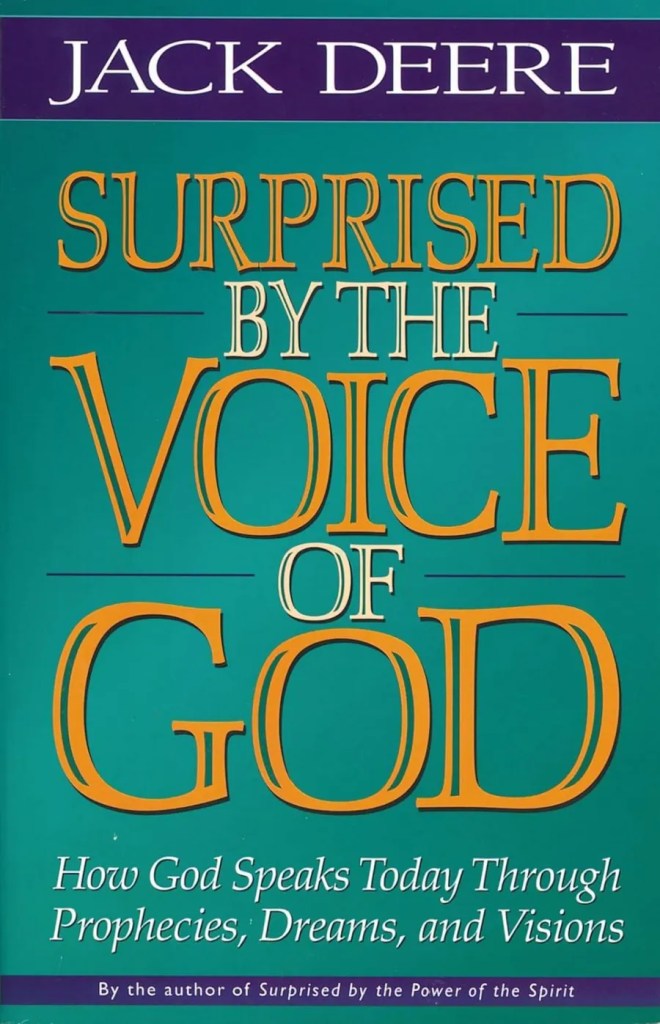

 Hope For Tomorrow