
Colleen Oakley’s novel, The Invisible Husband of Frick Island, is a work of contemporary fiction. The story examines the impact of change on a small, isolated community and how they process the tragic death of one of their own.
Piper Parrish lives on Frick Island, a tiny remote island in the middle of Chesapeake Bay. Piper is grieving the loss of her husband, Tom, who died when his crab boat capsized in rough weather. The boat needed work done on it, but it is unclear whether this contributed to the accident.
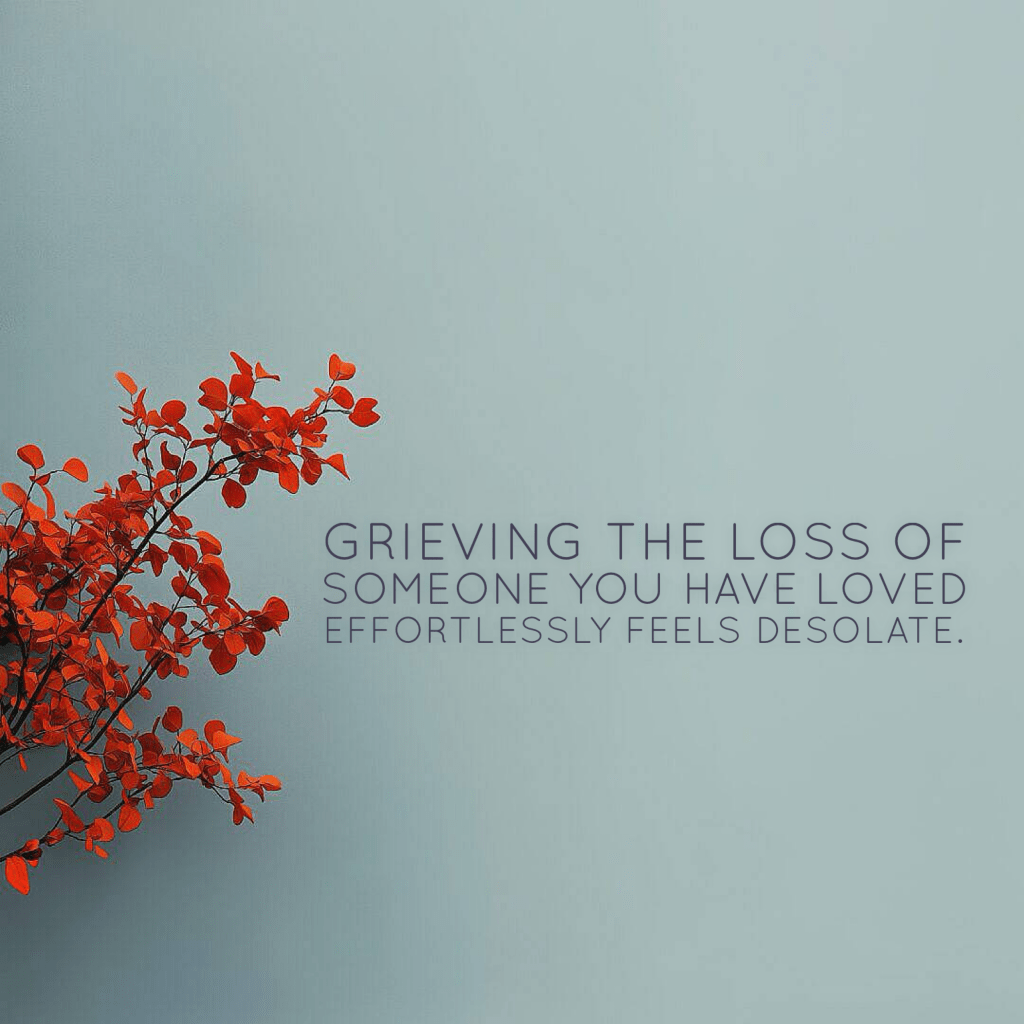
Piper is bereft. Grieving the loss of someone you have loved effortlessly feels desolate. There are no maps to guide your steps or point the way forward.
Piper’s response to the news that her husband is missing is tinged with hope. It is not all that unusual for a wife to hold out hope that her husband is still alive – to want to believe that he is still out there somewhere, and not at the bottom of the ocean, or eaten by the sharks. She thinks to herself,
‘Maybe Tom got disorientated and swam in the wrong direction, washed up on a deserted island, and was currently eating coconuts and writing messages in palm fronds for passing airplanes.’
Piper refuses to accept the reality of the situation. She carries on as if her husband is not only still alive, but right there beside her, cooking him breakfast, walking him to the docks each morning, meeting him for their standard Friday night dinner date at the One-Eyed Crab.
Denial is part of grieving. It refers to that period during which a person refuses to accept the reality of the situation. It is a coping mechanism, providing the time needed to adjust to the intense and overpowering feelings that come from the shock of a loss.
There is no specific time frame for denial. Seventeen days after the storm that claimed Tom’s life, Piper returns to work at the bed-and-breakfast, owned and managed by Mrs. Olecki. Mrs. Olecki is shocked to hear Piper talking about Tom as though he is still a part of her life. When she announces that Tom had not snored the previous night, she thinks,
‘Yes, death will cure a number of maladies, won’t it?’
People in denial are reluctant to change anything. Who can forget Miss Haversham, a character in Charles Dickens’ 1861 novel, Great Expectations. She is a wealthy spinster, once jilted at the altar, who insists on wearing her wedding dress for the rest of her life.
People in denial imagine that if they preserve what was, and do not meddle with anything, the person they love will be compelled to return and life will go on.
Piper did not tidy up any of Tom’s things. She was content to let them be. Their presence engendered a belief that Tom would return. We read,
‘Tom’s things, suddenly sprouted magical properties, transformed into talismans beckoning Tom back to where he belonged… They were not just reminders of Tom, they were promises. He was going to come home. Of that one thing, Piper was sure.’
The community is bewildered by Pipers’ insistence that Tom is right next to her, and she is determined to include him in any conversation. Their support for Piper is undeniable, so they go along with it, pretending that Tom is alive.
Anders Caldwell is a struggling journalist working for a small-town newspaper. When he uncovers the mystery of a whole town pretending a dead man is still alive and living amongst them, he cannot help but be curious. When Pearl, (Mrs. Olecki), finally tells Anders how and when the town decided to go along with Piper’s delusion, she says:
‘It’s amazing what people will do for the ones they love.’

Anders appreciates the concern the townspeople have for Piper but senses the need for professional input to better understand how to relate to her. Anders talks to his therapist who introduces him to the term ‘post-bereavement hallucinatory experiences,’ or PBHEs. Post-bereavement hallucinatory experiences involve perceiving (hearing, seeing, touching, smelling, or feeling) the presence of the deceased person.
Following the death of our son Adam in 2011 I was walking to work. My grief was still raw. I felt deeply the loss of my son to suicide. Out of the corner of my eye I saw Adam standing on the other side of the road. I heard him say, ‘I’m alright now.’
Even though hallucinations are common during bereavement most people choose not to mention them, fearing friends and family would think they were mentally ill. This was not my experience, although I was selective of my audience.
The therapist advises that Anders proceed cautiously. ‘Do not disagree with the delusion, but also do not go along with it. If possible, change the subject, but do it gently.’
Sometimes denial is linked to unresolved issues in the relationship. The feeling that I could have been more understanding of the situation. Piper regretted arguing with Tom the morning of that fateful day. Careless words! They leave a bad taste in your mouth.
Grief related regret tends to be focused on past experiences with your loved one. There were aspects of Tom and Piper’s marriage that needed to be talked through. The death of Tom’s father was a tipping point. Jeffrey had known Tom much of his life. He offers this insight.
‘When Tom’s dad died, it rocked him. It would rock anybody, but Tom, he got one of those predispositions or whatever you call it for sadness. It was deep. And dark. Even a blind man could see he needed help, but he would not listen. I tried to talk to Piper, but she would just brush it off. It will pass, it will pass, she would say. It did, of course, but then it would sneak up on him again. It never left him for good. Or for long.’
Grief will do that. It deflates. It casts a dark shadow over our existence, challenging our beliefs, undermining our reason to live. Like most men, Tom found it difficult to talk about his feelings. Fishermen were a hardy bunch, used to dealing with unexpected crises and harsh conditions. Depression that is deep and dark does not go away. It lingers, awaiting opportune moments to make its presence felt.
Piper recalled the times she had seen her husband staring at the horizon, contemplating she knew not what. It reminded her of a book she read, Their Eyes Were Watching God. It drew her in from the very first paragraph. The idea that for some men, their dreams sail forever on the horizon, resigned that they will never reach them.
Then there were the difficulties relating to the crab industry and the falling returns. It was their lack of funds that prohibited any repairs being carried out on the boat. It would have to wait. Again, this was a subject that Tom was reluctant to discuss.
Although suspicious of his intentions, Piper appreciated that Anders took a genuine interest in her and listened to her, accepting what she had to say about issues affecting the community. Grieving people need acceptance, to know that they do not have to justify everything they might say, whether it be insightful or not.

Denial eventually gives way to acceptance, the realisation that the one you have loved is not coming back. The feeling of being alone took hold. Piper looked to her cat for company. We read,
‘The cat took to sleeping on Tom’s pillow, and it comforted Piper to have another living creature in her space that she could talk to when the loneliness and silence in her house became overwhelming.’
Piper felt unhinged by grief. She seemed incapable of holding it together. Emotions would erupt from her being. She felt like she was running on empty. We read,
‘Piper no longer had control over anything, including her own emotions. Alarmed, the cat slipped out the window Piper still left cracked over the kitchen sink, and then Piper was really, truly alone. She thought she had grieved Tom, in the months when she was pretending he was alive, alone, and silently in their bed at night. But apparently, she had not even scratched the surface.’
Grief and loss are not temporary. They need to find a place in your life, a respectful place, not dominating. Anders helps Piper to think about her future. Piper realises that grief is not something you can manage on your own. She understands,
‘People want to help. Sometimes you just have to let them in.’

Piper plans to study insects, a subject she has been interested in since childhood. She recalls spending hours by herself, scouring the marshes and beaches for unusual insects to add to her collection.
Piper’s journey with grief has been unusual, but, as Mrs. Olecki rightly observes,

 Hope For Tomorrow