In her book A Hole in the World, author, Amanda Held Opelt writes about the rituals of grief. She says,
‘Rituals introduce a healthy rhythm of exposure to grief. They allow us to let off emotional steam at specific moments.’

Rituals tell us what to say. They show us how to act. They provide us with a way forward.
Sadly, many of the rituals surrounding grief have been lost or diluted. It is left to the individual to discover and implement rituals that speak to them, that make sense for their daily life.
There are three rituals that helped Amanda Held Opelt navigate her grief that were also part of my experience. I will reflect on how they worked for me in dealing with the death of my son, Adam, to suicide.
- Keening
- Sympathy Cards
- Nourishment
Society’s attitude to death is changing. One obvious example is our reluctance to use the word death and what it implies, a violent cessation. Instead, we look for words and phrases that are designed to shield the heart from the reality of what has occurred. Words and phrases like Passed away. Departed. Eternally resting.
Amanda Held Opelt spent 15 years serving in the non-profit and humanitarian aid sectors. She experienced various challenges in disaster areas like Northern Iraq, which called for fortitude and resilience. She observed that some of her co-workers took pride in being able to demonstrate their emotional detachment from the pain, suffering, and destruction they witnessed.
Society demands that we suppress our emotions, particularly regarding death and dying. When a death occurs, we are expected to behave in an acceptable manner. We are to demonstrate control, mask our true feelings, and endeavour to keep our emotions in check. Public expressions of genuine grief are frowned upon.
When Amanda Held Opelt experienced her season of sorrow, a time when she suffered three miscarriages and her thirty-seven-year-old sister, Rachel died unexpectedly having contracted the flu, she didn’t know what to do with her grief. It felt awkward, cumbersome, a weight too heavy to bear. There were some who advised her to keep busy as it would help her survive, but it felt like avoidance. She says,
‘I was evading grief like a meek and skittish mouse. I’d busied myself with tasks and responsibilities, the spaces I knew best.’
Grief cannot be ignored, nor can you make it go away. Grief follows us wherever we go. It won’t be silenced.
Amanda Held Opelt felt a need to give herself over to grief. In doing so, she entered ‘a landscape carved by grief’s rushing water.’ She says,
‘It felt like a wilderness, a wild and rugged terrain. In the wilderness, we speak what is primitive and primary. We say what is true. We say what is hard and heartbreaking. We wail.’
The first ritual that offered her release was keening, an ancient tradition practiced by the Irish after the death of a loved one. A keen is a funeral wail – a type of refrain that is more scream than song, more cry than chorus.
(1) Keening: (Anguish)
Amanda Held Opelt visited the family cemetery to tell her grandparents of Rachel’s death. It was when standing over the bodies of her ancestors that something inside her snapped. Suddenly a cry erupted from her mouth that quickly broke out into a loud sob. She rushed back to her car and slammed the door. She says,
‘I screamed into the steering wheel. I pounded the dashboard. I shrieked over and over again. My lungs burned and my vision blurred. I wailed and wailed and wailed.’
Reflecting on her experience she says,
‘To wail is the only appropriate response to the horror of death… the death wail is unsophisticated. It is not curated. It cares not what others think of it, it has no desire for an interpreter. It is a language not meant for communication but rather for expelling the darkness. When it breaks free, one loses all sense of propriety and performance. The wailer slips into a world of inconsequence, succumbing to the sorrow and finally expressing with unbridled veracity what is true and real about all that is being experienced.’
Amanda Held Opelt

When I heard that my son, Adam, had taken his life, a surge of emotion welled up from within and burst forth as a deep sobbing. There was no way of curbing the sorrow or silencing the desperate cry. It could not be contained. The presence of other family members in the room offered comfort but did nothing to stem the flow. The sounds of mourning were laden with meaning for all that had been lost. I sensed it would continue unabated until the tears dried up.
Several years after Adam’s death my wife and I attended the funeral of my cousin who died in 2013 of a rare cancer, aged sixty-seven. He served in Vietnam as an engineer and had been exposed to chemical warfare. He also lost a daughter to cancer, aged thirteen and a second daughter, aged two, drowned in a dam on their dairy farm.
During the service I was reflecting on the magnitude of their loss. I felt the layered pain and sorrow of the family and the injustice of it all. A wave of emotion engulfed me, and I wept allowed. There were some who considered my tears inappropriate, a sign of emotional fragility. Others thanked me. It gave them permission to feel their pain and express their grief.
(2) Sympathy Cards: (Words)
The greeting card industry didn’t emerge until the mid-nineteenth century. Christmas cards, which originated in England, were designed to spread Christmas cheer. They initially dominated the trade.
Almost every category of greeting card exists to recognise celebratory occasions: birthdays, graduations, weddings, and holidays. Sympathy cards strike a different chord. They offer comfort to the bereaved. They convey concern. They communicate our love at a time when words fail us.
Adam’s tragic death prompted many people to send us sympathy cards. Their expressions of love and concern brought comfort (and still do). We purchased an album to display the cards as they are a valuable reminder of our loss. I appreciated the hand-crafted cards or those that diverged from the familiar flowers in muted pastel shades.
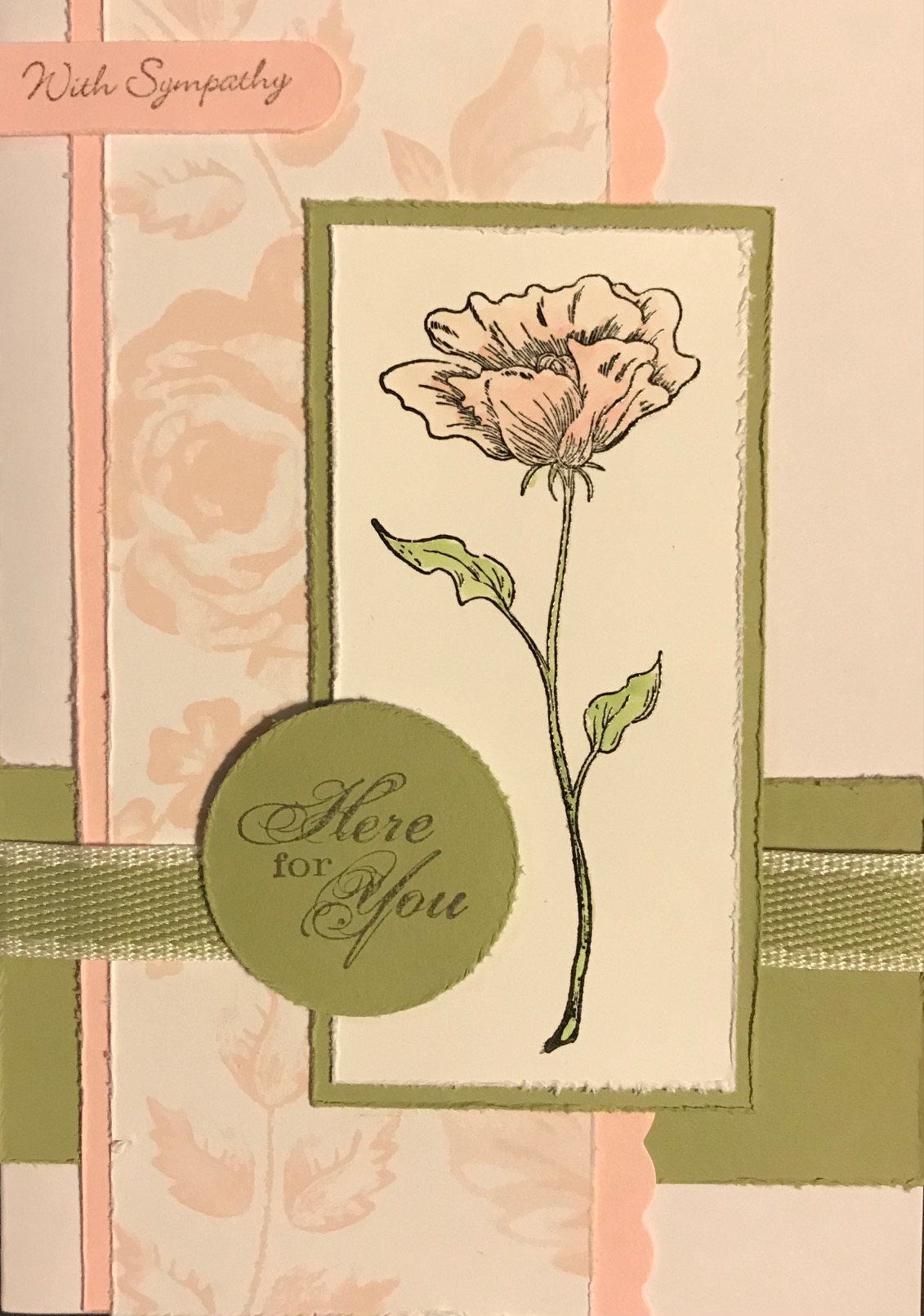
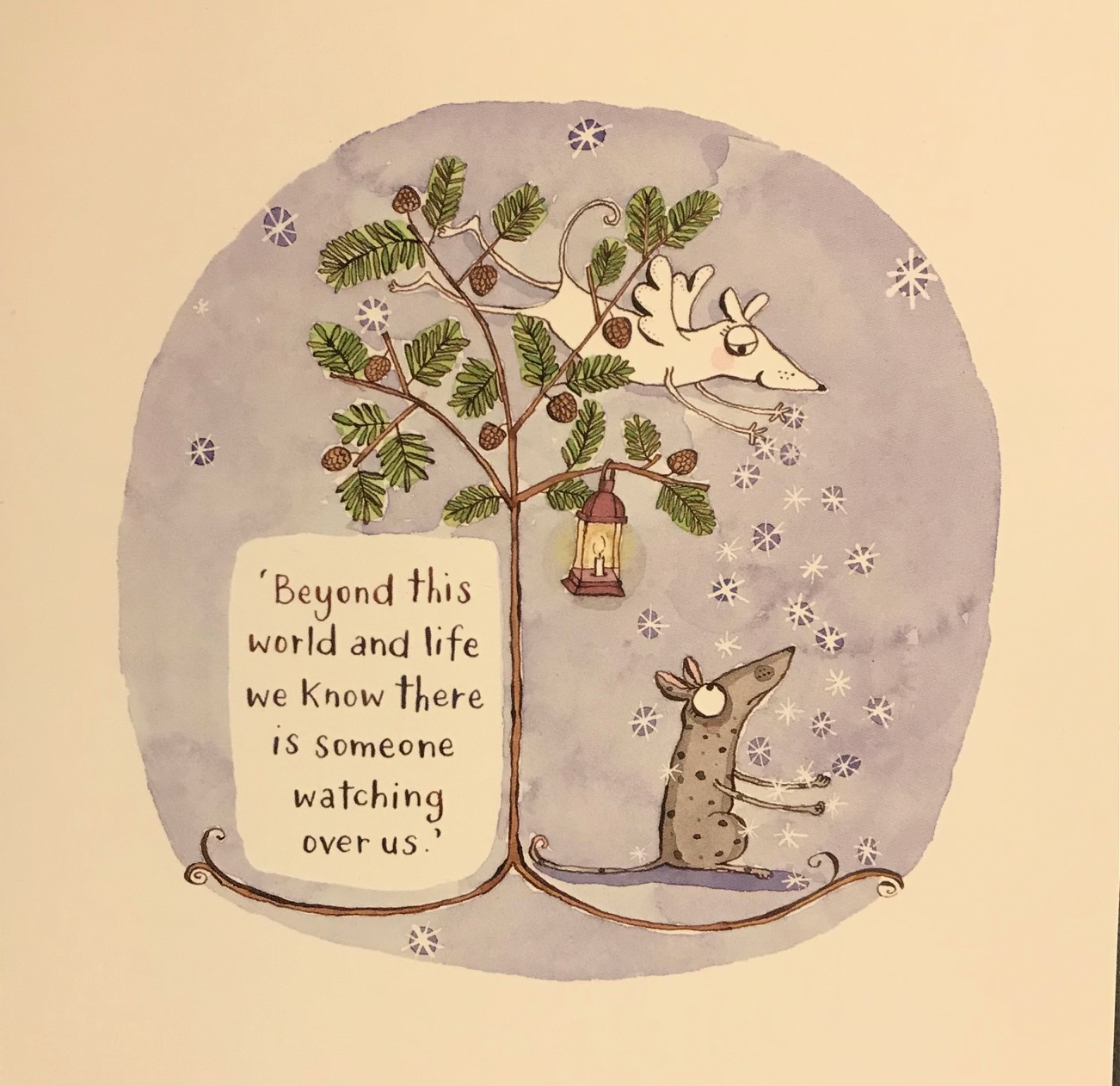
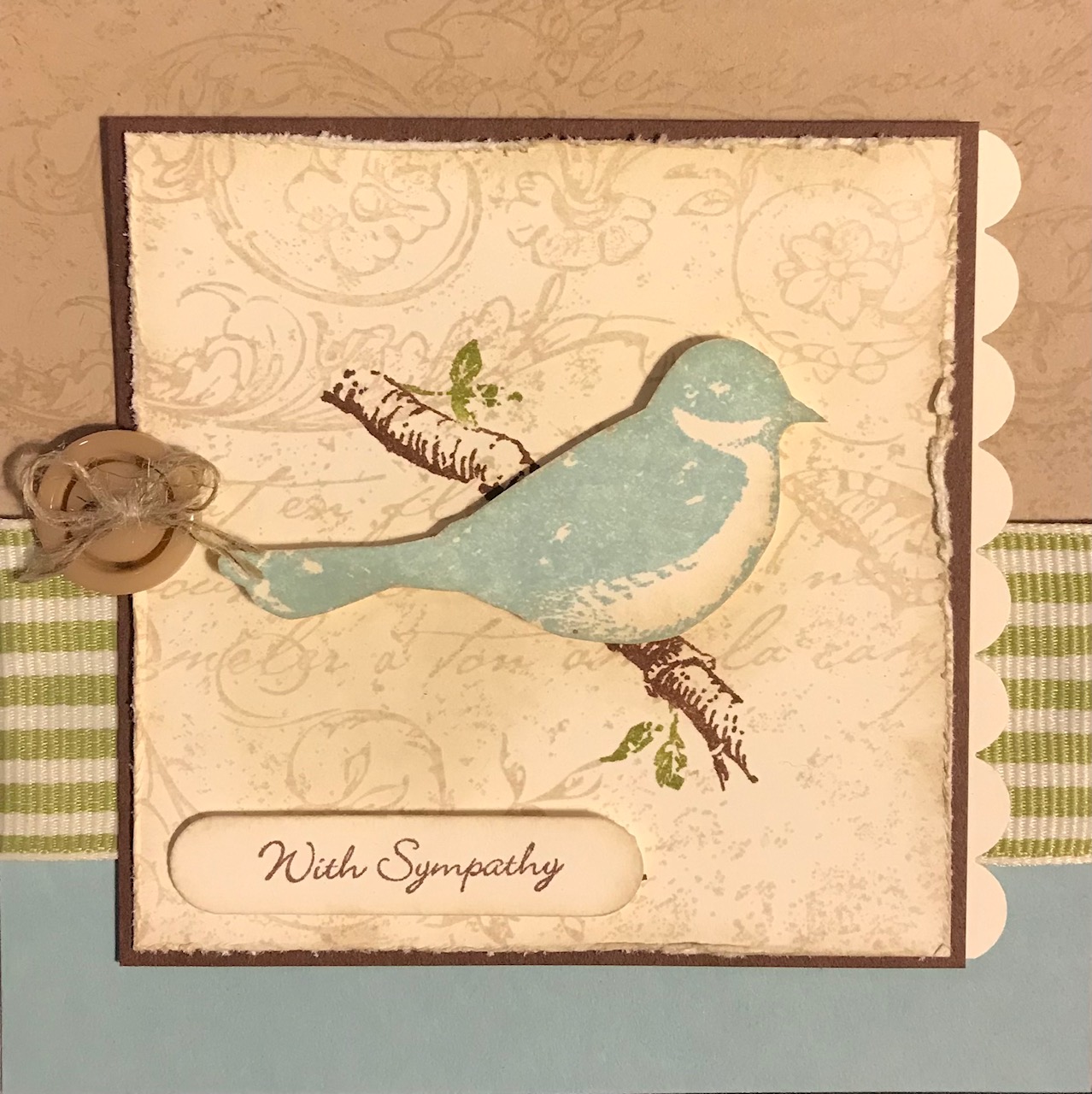
Some people wrote personal messages. The messages I treasured most had the following elements:
1. An acknowledgement of our loss. Our loss was not some nebulous thing. It was personal. It was our precious son. His name was ADAM.
‘We are so very, very sad to hear of Adam’s tragic death.’
‘I was shocked and saddened when I was told of the sudden loss of Adam.’
‘You will all miss your dear Adam so much.’
‘The love you have for Adam brings with it such terrific pain.’
2. An affirmation of the challenges we faced and what would help us survive. We were particularly blessed by the people who could empathise with our suffering and speak hope into our lives.
‘Our souls weep at your distress and rejoice in your faith and strength.’
‘We cannot imagine the depth of pain and sadness that you would be experiencing.’
“Dear ones, you are now on a journey like no other. Be kind to yourselves, be careful who you choose to walk with you through that journey.’
‘As parents you will be grieving deeply, and many questions must be there for you.’
(3) Nourishment: (Body)
The simple act of eating is often the one normal thing you do in grief. As Amanda Held Opelt says,
‘As the anguish rages inside you and all around you, the physical act of eating and drinking forces you back into the bodily rhythms and routines of everyday life.’
Several days after Adam’s death the police informed me that I would need to identify the body. This required travelling interstate. My two surviving sons agreed to accompany me. We caught an early flight and were met at the airport by my sister who had offered to drive us to our various appointments. Her support was invaluable.
Prior to the viewing, the police provided a summary of Adam’s final moments. The CCTV footage was unambiguous. Adam chose to end his life.
We gathered around Adam’s body in the viewing area. The police and the support staff had left the room, respecting our privacy. There were minor abrasions on Adam’s face. His hand was cold and clammy. God’s peace supported us and sustained us. Adam was gone. We were left with the burden of his loss, and it felt heavy.
We visited a plant nursery and café. It was an ideal setting to think about what the police had shared and to talk about our feelings on seeing Adam’s body. We purchased flowers. Our next destination was the site of Adam’s death.
It remains a mystery why Adam chose this location. The police found his vehicle in the car park near the railway station. The CCTV cameras were strategically positioned. We approached the fence Adam vaulted over. The rumble of an empty coal train could be heard in the distance. We tied the bunches of flowers to the fence.
In the afternoon we arranged a meeting with the funeral directors. The only workable option was to have Adam’s body cremated. My sister offered to collect Adam’s ashes and bring them with her when she flew down to attend the memorial service.
Our final task was to collect Adam’s Toyota Hilux. Having completed the paperwork and secured its release, we inspected the vehicle and discovered some minor damage. The mirror on the driver’s side had been broken off. It was surreal sitting in Adam’s Ute knowing that he would never get to drive it again.
It had been a challenging and stressful day. We felt physically weary and emotionally drained but decided to go out for dinner at a Chinese Restaurant.
Grief is exhausting and diminishes our reserves. It is vital to nourish your body and to re-energise your spirit.
The meal was part celebration and part consolidation. We gave thanks for Adam and his thirty years of life. We were also grateful for what we had accomplished that day. It was important to consolidate our priorities: to affirm our value, to renew our commitment to one another, and to be resolute in our pursuit of life.
Sharing a meal is an act of defiance. It is a declaration that we will not allow this tragedy to overwhelm us, to reduce us, to defeat us. We will find strength in our shared suffering and our togetherness.
Grief creates a hole in our world, a gaping hole. Grief breaks us open. Sometimes we stand on the edge and contemplate the darkness. It draws us in, threatening to consume us. Over time we learn to accommodate the hole, to live with it, and not to fear it.


 Hope For Tomorrow